
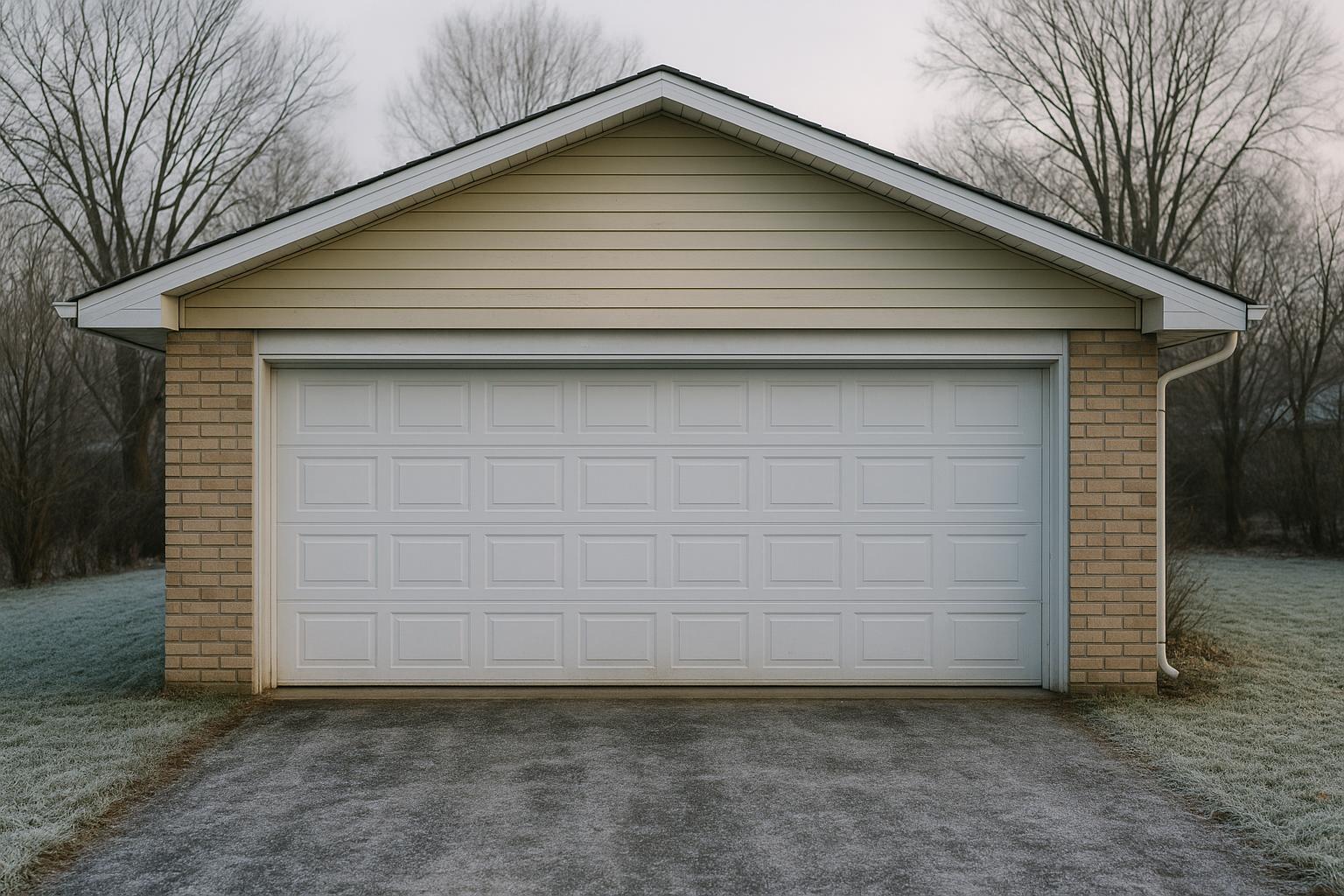
Why Cold Weather and Garage Doors Don't Always Get Along
You're running late on a chilly Madison morning, you press the garage door opener button, and nothing happens. Or maybe the door groans, moves a few inches, and stops. Cold weather garage door problems are more common than most homeowners realize, and they tend to strike at the worst possible time.
While North Alabama doesn't see the extreme winters of northern states, our temperatures can still dip low enough to cause real issues with garage door components. From frozen weatherstripping to sluggish openers, here's what might be going on and how to fix it before you're stuck in your own garage.
Common Reasons Your Garage Door Struggles in Cold Weather
1. Contracted Metal Components
Metal expands in heat and contracts in cold. Your garage door system is full of metal parts — springs, tracks, hinges, and rollers. When temperatures drop, these components shrink slightly, which can cause binding, increased friction, and added strain on your opener. Springs that were already nearing the end of their lifespan may lose tension faster in cold weather, making it harder for the opener to lift the door.
2. Thickened Lubricant
The grease and lubricant on your garage door's moving parts can thicken or even harden when it gets cold. This creates resistance throughout the system. If your door sounds louder than usual or moves more slowly on cold mornings, stiff lubricant is likely part of the problem.
3. Frozen Weatherstripping
The rubber weatherstripping along the bottom of your garage door is designed to seal out moisture, debris, and drafts. But when rain or condensation collects underneath the seal and freezes overnight, the weatherstripping can literally bond to the garage floor. If you try to open the door in this condition, you might hear a tearing sound or the opener may strain against the resistance.
4. Misaligned or Stiff Tracks
Cold temperatures can cause the metal tracks on either side of your garage door to shift slightly. Even a small misalignment increases friction and can prevent the door from traveling smoothly. If the rollers are also cold and stiff, the combined resistance may be too much for your opener to overcome.
5. Weak or Dying Opener
Garage door openers have to work harder in cold weather because of all the added resistance from the factors above. If your opener is older or already struggling, a cold snap might be the final straw. You may notice the motor running but the door barely moving, or the opener may simply click without engaging at all.
How to Fix and Prevent Cold Weather Garage Door Problems
Switch to a Cold-Weather Lubricant
Standard garage door lubricant can become thick and ineffective in lower temperatures. Switch to a silicone-based spray lubricant, which stays fluid in cold conditions. Apply it to the springs, rollers, hinges, and tracks at least once before winter sets in. Many Madison homeowners find that a quick lubrication in late fall prevents the majority of cold-morning issues.
Free a Frozen Seal Carefully
If your weatherstripping has frozen to the floor, don't just hit the opener button and hope for the best. That can tear the seal or damage the opener. Instead, use a heat gun or even a hair dryer to gently warm the seal along its length. You can also carefully chip away ice with a flat tool. Once the door is free, wipe the bottom seal and floor dry to prevent refreezing.
To prevent this from happening again, apply a thin layer of silicone spray or cooking oil to the bottom of the weatherstripping. This creates a barrier that makes it harder for moisture to bond the seal to the concrete.
Inspect and Replace Worn Weatherstripping
Old, cracked weatherstripping is more prone to freezing and doesn't insulate your garage effectively. If yours is brittle, torn, or no longer makes full contact with the floor, it's time for a replacement. New weatherstripping keeps cold air out, reduces energy costs, and eliminates the freezing problem altogether.
Check Your Springs and Hardware
Cold weather puts extra stress on springs that may already be worn. If your door feels heavier than usual or the opener is straining, have a professional inspect the spring tension and overall balance. Attempting to adjust garage door springs yourself is dangerous — they're under extreme tension and can cause serious injury if handled improperly.
Keep the Garage Above Freezing When Possible
If your garage is attached to your home, keeping it just above freezing can prevent most cold-weather door issues. Even a small space heater used occasionally can make a difference. Insulated garage doors also help maintain a more stable temperature inside the garage, protecting both your door components and anything else you store in there.
Schedule a Pre-Winter Maintenance Visit
The best way to avoid getting stuck on a cold morning is to address potential problems before they happen. A professional maintenance visit includes lubricating all moving parts, checking spring tension, inspecting the tracks and rollers, testing the opener, and examining the weatherstripping. Think of it as winterizing your garage door the same way you'd prepare your HVAC system for the season.
When to Call a Professional
Some cold-weather garage door issues are easy to handle on your own. Applying lubricant, freeing a frozen seal, and clearing debris from the tracks are all reasonable DIY tasks. But if your door still won't open after trying these steps, or if you notice any of the following, it's time to call in a professional:
- The door is visibly off-track or crooked
- You hear loud popping or snapping sounds
- The opener motor runs but the door doesn't move
- Springs appear stretched, rusted, or broken
- The door feels extremely heavy when you try to lift it manually
These symptoms can indicate problems that require specialized tools and expertise to fix safely.
Don't Let a Cold Morning Ruin Your Day
Cold weather garage door problems are frustrating, but they're also preventable. A little maintenance in the fall goes a long way toward keeping your door running smoothly all winter. And if something does go wrong on a freezing Madison morning, knowing what to check can save you time and stress.
At Madison Door & Opener, we help homeowners across Madison, Huntsville, Decatur, Athens, Harvest, and Meridianville keep their garage doors working reliably in every season. Whether you need a quick repair, a maintenance tune-up, or a full door replacement, we're here to help. Give us a call and let's make sure your garage door is ready for whatever the weather brings.