
Your Garage Door Shouldn't Sound Like That
You press the button on your opener, and instead of a smooth, quiet operation, your garage door greets you with a symphony of grinding, squealing, popping, or rattling. If you're a homeowner in Madison, you've probably gotten so used to the noise that you barely notice it anymore. But here's the thing — a noisy garage door is almost always trying to tell you something, and ignoring it can lead to costly repairs or even a safety hazard down the road.
Let's break down the most common garage door noises, what they mean, and what you should do about each one.
Squealing or Screeching Sounds
A high-pitched squeal when your garage door moves is one of the most common complaints we hear from homeowners across Madison and Huntsville. This sound typically points to one of two issues:
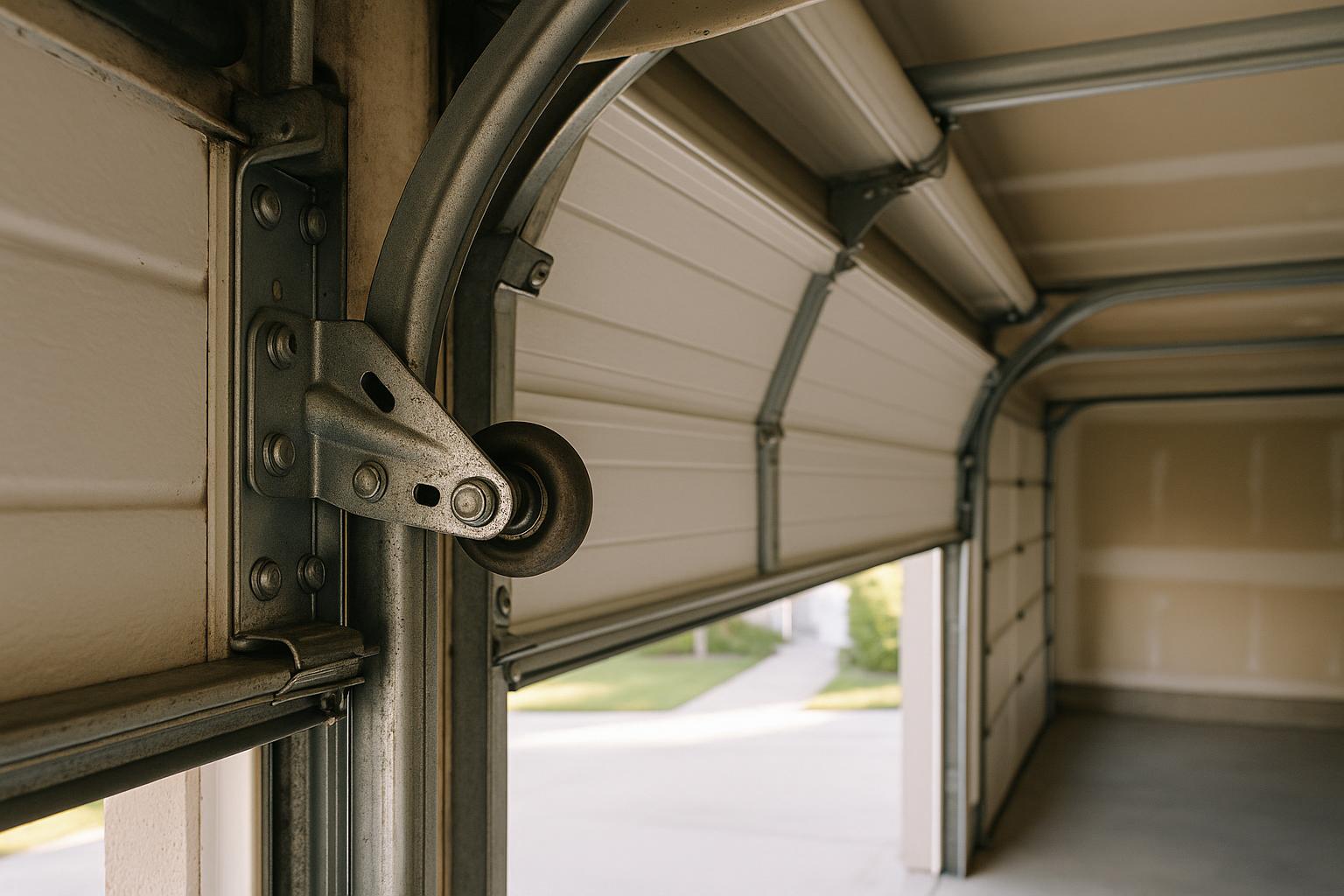
- Dry or worn rollers: Metal rollers that haven't been lubricated in a while will screech as they travel along the tracks. Over time, the bearings inside the rollers wear down, and no amount of lubrication will quiet them. At that point, they need to be replaced — and upgrading to nylon rollers can make a dramatic difference in noise levels.
- Friction in the tracks: If the tracks are misaligned or have accumulated dirt and debris, the door can drag and squeal as it moves. A quick visual inspection can sometimes reveal obvious bends or buildup, but proper realignment is best left to a professional.
If you hear squealing, start by applying a garage door-specific lubricant (not WD-40, which is a solvent, not a long-term lubricant) to the rollers, hinges, and tracks. If the noise persists, it's time to have a technician take a closer look.
Grinding or Scraping Noises
Grinding sounds are more concerning than squealing because they often indicate metal-on-metal contact where it shouldn't be happening. Common culprits include:
- Misaligned tracks: When the vertical or horizontal tracks shift out of position, the door's rollers grind against the edges instead of rolling smoothly through the center. This can damage both the rollers and the tracks if left uncorrected.
- Worn gear in the opener: If the grinding seems to come from the ceiling-mounted opener unit rather than the door itself, the internal gear assembly may be stripped or wearing out. This is especially common in older chain-drive openers that have seen years of daily use.
- Torsion bar issues: In some cases, grinding near the top of the door can indicate a problem with the torsion spring system or the bearing plates that support it.
Grinding noises should never be ignored. The longer the underlying issue goes unaddressed, the more damage it causes to surrounding components, which means a more expensive repair later.
Rattling and Vibrating
A rattling garage door often sounds worse than it actually is — but that doesn't mean you should dismiss it. The most common causes are surprisingly simple:
- Loose hardware: Your garage door opens and closes hundreds of times a year. Over time, the nuts, bolts, and screws that hold everything together naturally loosen from the constant vibration. A socket wrench and a few minutes of tightening can often solve the problem entirely.
- Loose chain or belt: If you have a chain-drive opener, a loose chain will slap and rattle during operation. Belt-drive openers can also develop slack over time, though they tend to be quieter overall.
- Worn hinges: The hinges that connect each panel of your garage door can develop play as the holes they're mounted in elongate with wear. Replacing worn hinges is a relatively inexpensive fix that can restore smooth, quiet operation.
We recommend Madison homeowners do a quick visual and audio check of their garage door at least once a season. Catching a loose bolt early takes five minutes. Waiting until a panel separates or a bracket fails takes considerably more time and money.
Popping or Banging Sounds
A loud pop or bang when the door starts moving — especially first thing in the morning — can be startling. This is often caused by:
- Torsion spring tension shifts: As springs age, they can settle unevenly, and the sudden release of stored energy creates a popping sound when the door begins to move. This is particularly noticeable during cooler mornings in North Alabama when metal components contract slightly overnight.
- Panel sections binding: If the door panels aren't moving freely through the track, they can momentarily bind and then release with a bang. This puts stress on the panels, the tracks, and the opener.
A single pop now and then may not be urgent, but if it's happening consistently, it's worth having a technician inspect the spring system and track alignment before a more serious failure occurs.
When Noise Means It's Time for an Upgrade
Sometimes the honest answer is that your garage door or opener has simply reached the end of its useful life. If your door is 15 to 20 years old and producing multiple types of noise despite regular maintenance, a replacement may be more cost-effective than ongoing repairs. Modern garage doors are engineered to be significantly quieter, better insulated, and more energy-efficient than models from even a decade ago.
Similarly, if your opener is an older chain-drive model and the noise is driving you (or your neighbors) crazy, upgrading to a belt-drive opener can reduce operating noise to a near-whisper. For homeowners in Madison whose garage is attached to the house — and especially those with bedrooms above or adjacent to the garage — this upgrade alone can be a game-changer for quality of life.
A Simple Maintenance Checklist to Keep Things Quiet
Many garage door noises can be prevented with basic maintenance. Here's a quick checklist you can follow a few times a year:
- Apply a silicone-based or lithium-based garage door lubricant to all rollers, hinges, springs, and bearing plates.
- Tighten all visible nuts, bolts, and bracket screws with a socket wrench.
- Visually inspect the tracks for dents, debris, or misalignment.
- Check the weatherstripping along the bottom and sides of the door for damage.
- Listen carefully during a full open-and-close cycle and note where any unusual sounds originate.
- Test the door's balance by disconnecting the opener and manually lifting the door halfway — it should stay in place without drifting up or down.
If the door feels heavy, drifts, or you hear noises you can't resolve with lubrication and tightening, it's time to call in a professional.
Don't Wait for the Noise to Become a Breakdown
The bottom line is that garage door noises are diagnostic clues. They're your door's way of saying something needs attention — whether it's a quick lubrication, a hardware tightening, or a component that's on its way out. Addressing these sounds early almost always saves Madison homeowners money compared to waiting for a full breakdown.
At Madison Door & Opener, we help homeowners throughout Madison, Huntsville, Decatur, Athens, and the surrounding areas diagnose and fix noisy garage doors every day. Whether it's a simple tune-up or a full door replacement, we'll give you an honest assessment and get the job done right. If your garage door has been making sounds that don't seem normal, give us a call — we're happy to take a listen.